The short answer
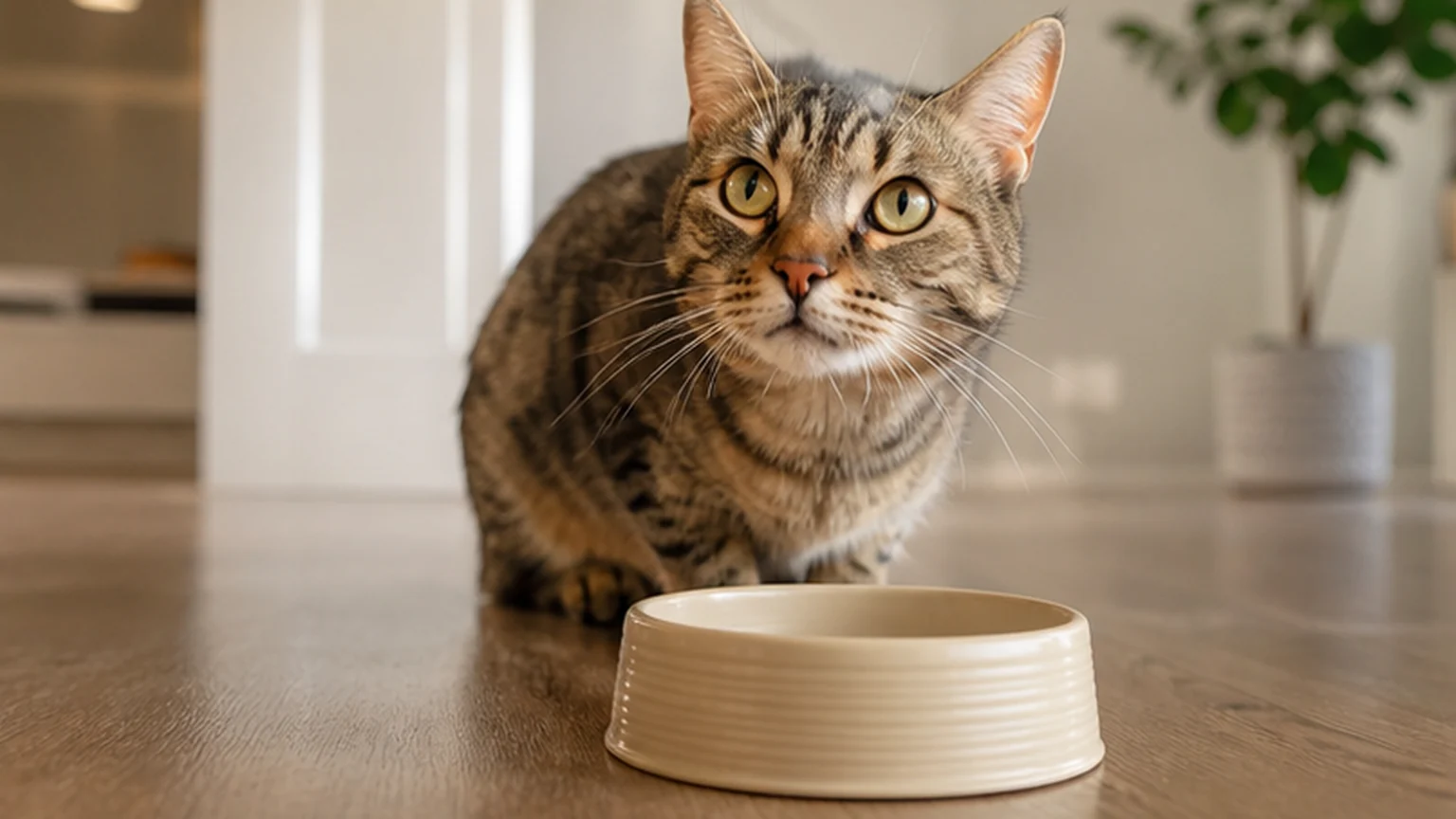
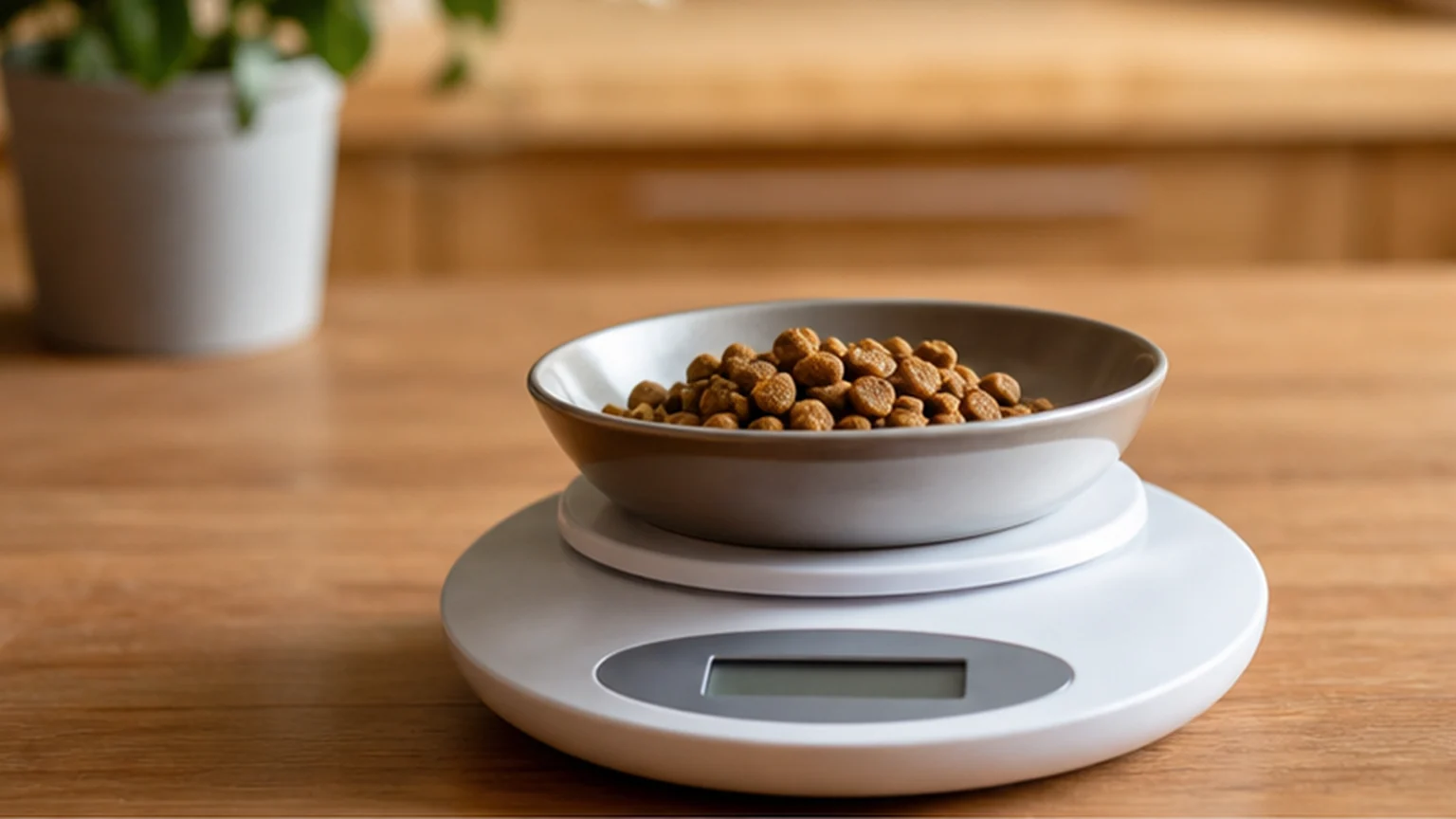
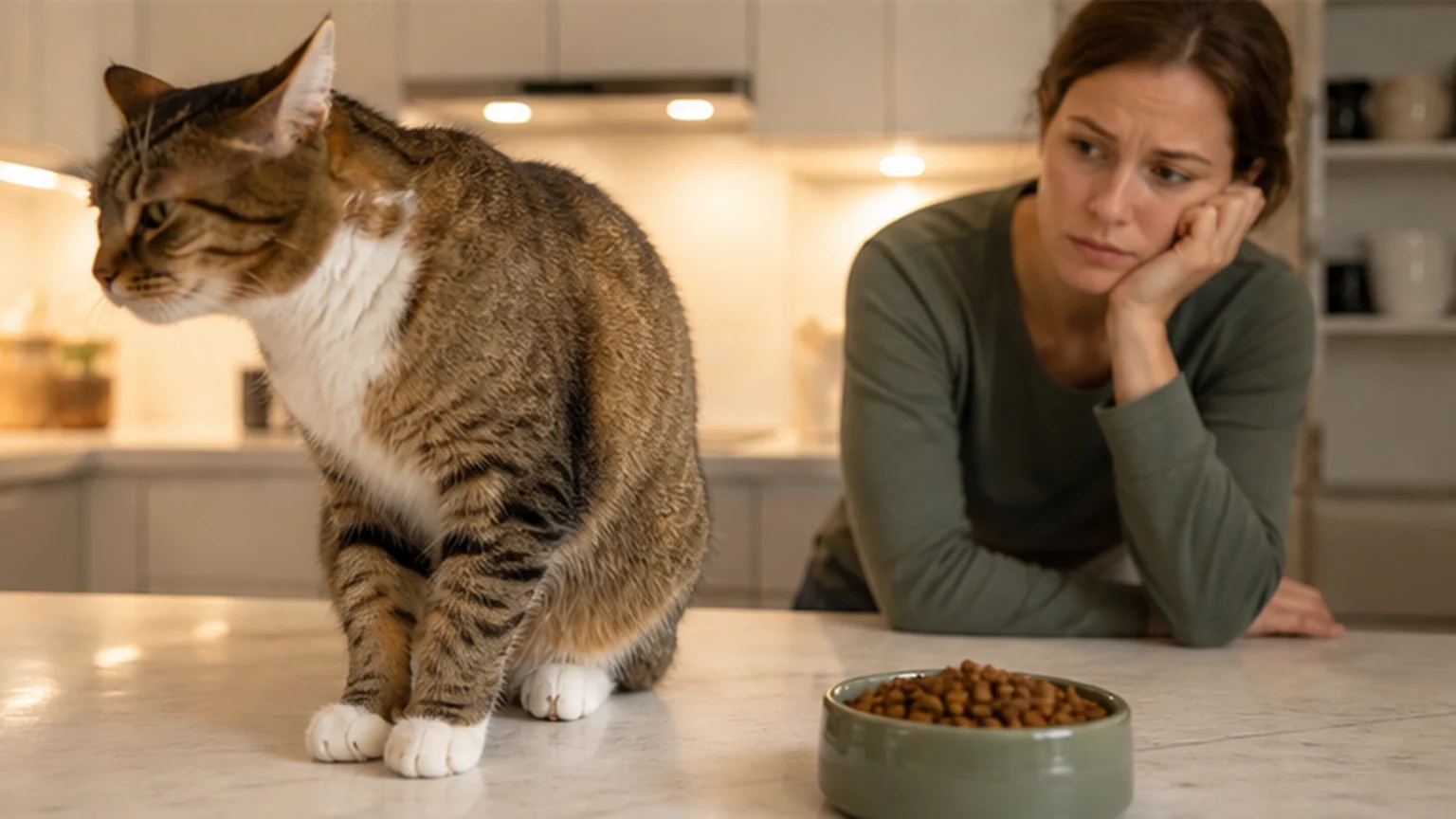
A cat that eats less than usual may be reacting to stress, food or environment changes, pain, nausea, or illness. Appetite loss is not something to diagnose from a checklist. Track what was eaten and contact a veterinarian promptly if it persists or is accompanied by other signs.
Cats can become seriously unwell when they do not eat adequately, and the safe response depends on age, body condition, existing disease, duration, and accompanying signs. Call a veterinary clinic for individualized timing rather than waiting for a universal number of hours.
Appetite Change at a Glance
| Observation | Appropriate response |
|---|---|
| Ate slightly less at one meal but otherwise normal | Measure and monitor closely; keep the normal routine |
| Repeatedly leaves food or eats much less | Contact a veterinarian promptly |
| Stops eating, especially with other signs | Seek veterinary advice without delay |
| Kitten, senior, underweight cat, or known disease | Contact the veterinarian earlier |
| Breathing difficulty, collapse, toxin or object exposure, inability to urinate | Emergency veterinary care |
This table supports triage; it cannot determine the cause or prove that a cat is safe at home.
What “Not Eating” Can Look Like
Appetite loss is not always an untouched bowl. A cat may:
- approach food, sniff, and walk away;
- lick gravy but leave solids;
- take food into the mouth and drop it;
- chew on one side or stop after a few bites;
- eat treats while refusing normal meals;
- hide during meal times;
- seem interested but unable to reach or use the bowl; or
- eat less gradually over several days.
Record what is actually consumed. “Ate some” is less useful than the food, amount offered, estimated amount eaten, and time.
Broad Reasons Appetite Can Fall
Environmental Stress
Moving, visitors, construction, boarding, a new animal, household conflict, or a changed feeding location can reduce eating. Stress is possible, but it should not be used to dismiss physical illness—especially when intake remains low.
Food and Feeding Setup
Food may be stale, spoiled, stored incorrectly, newly reformulated, served at an unfamiliar temperature, or changed too quickly. A dirty bowl, noisy appliance, inaccessible location, or another animal guarding the route can also interfere.
Correct obvious setup problems, but do not spend days rotating foods while the cat continues to eat too little.
Mouth or Swallowing Discomfort
A cat may want food but have difficulty biting, chewing, or swallowing. Dropping food, drooling, pawing at the mouth, bad odor, blood, facial swelling, or preference for one texture warrants veterinary assessment. Do not pry the mouth open or test painful areas.
Nausea, Pain, or Illness
Many conditions can reduce appetite, including problems involving the digestive system and illnesses elsewhere in the body. Pain, fever, breathing difficulty, medication effects, and toxin or foreign-object exposure are among broad possibilities.
These categories deliberately do not diagnose your cat. Similar behavior can arise from different causes, and treatment depends on examination.
What to observe now
Record when the change began, how much was eaten, drinking, urination, vomiting or diarrhea, energy, breathing, and any possible access to toxins or foreign objects. Check that food is fresh and the bowl and feeding location are clean and quiet, but do not delay care while trying multiple home remedies.
Also record:
- the exact food, recipe, package, and recent diet changes;
- treats and food offered by other people;
- medications and when each was given;
- stool frequency and appearance;
- litter-box visits and urine output;
- weight change when known;
- hiding, restlessness, vocalization, or altered social behavior;
- chewing, drooling, swallowing, or mouth changes; and
- recent travel, stressors, injuries, or procedures.
Bring packaging or photographs when exposure to a plant, chemical, medication, food, string, or object is possible. Do not wait to identify every ingredient before calling an emergency service.
Safe Immediate Checks
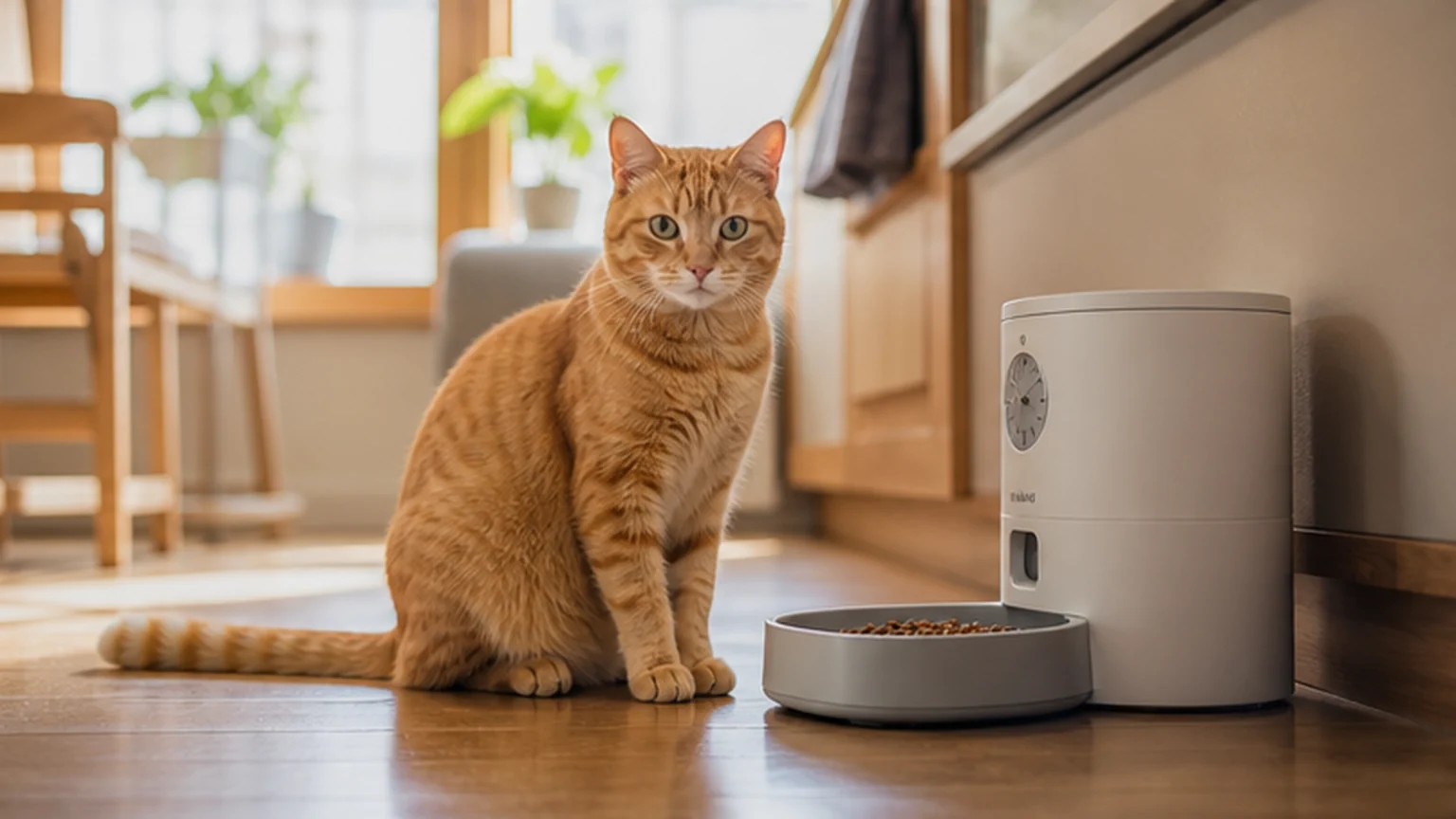
Confirm that the correct food was served and is within its date, smells normal, and was stored safely. Wash the bowl, use a quiet familiar location, and prevent another animal from taking or guarding the meal.
Offer the cat's familiar complete food. If the cat normally eats wet food, serving it at a familiar safe temperature may improve aroma. Do not introduce a buffet of rich human foods or make abrupt repeated changes.
Ensure fresh water is accessible. Do not force water by syringe because liquid can be inhaled. Do not add salt or unapproved flavoring to stimulate drinking.
These checks should happen alongside—not instead of—veterinary contact when intake is substantially reduced.
What Not to Do
- Do not force-feed without veterinary instruction.
- Do not syringe food or water into a resisting cat.
- Do not give human painkillers, stomach remedies, appetite products, or leftover medication.
- Do not induce vomiting.
- Do not use essential oils or unverified home remedies.
- Do not repeatedly test a painful mouth or abdomen.
- Do not assume treats prove adequate intake.
- Do not wait through worsening signs while trying a new food each meal.
Force-feeding can create aspiration risk, injury, food aversion, and distress. A veterinarian may recommend assisted feeding in a specific situation, but the method and plan must be individualized.
When to seek urgent help
Contact a veterinarian promptly when a cat stops eating, eats much less than usual, is weak, vomits repeatedly, has breathing changes, appears painful, cannot urinate, or may have eaten a toxin or object. Kittens, seniors, and cats with existing disease may need earlier assessment.
Seek emergency care for:
- open-mouth breathing, severe breathing effort, or blue/gray gums;
- collapse, inability to stand, severe weakness, or unresponsiveness;
- repeated straining with little or no urine;
- suspected lily, medication, chemical, or other toxin exposure;
- swallowed string, ribbon, needle, bone, toy, or foreign object;
- repeated vomiting with inability to keep food or water down;
- severe pain, major injury, or abdominal swelling; or
- a veterinarian's instruction to attend immediately.
If string is visible from the mouth or rectum, do not pull it. Prevent further ingestion and seek urgent veterinary care.
Why Timing Matters
Cats need adequate nutrition, and prolonged poor intake can create additional complications. Risk is not identical across cats. Kittens have small reserves; underweight, overweight, senior, pregnant, nursing, or medically managed cats may need a faster response.
That variability is why this article does not give a single “wait X hours” rule. Call with the cat's age, health history, amount eaten, duration, and accompanying signs so a professional can set the timeline.
Preparing for the Veterinary Call
Have ready:
- Age, approximate weight, and known conditions.
- Normal food and usual daily amount.
- What was eaten and when.
- Drinking, urine, and stool changes.
- Vomiting, breathing, pain, mobility, or behavior signs.
- Medications and recent procedures.
- Possible toxin or object exposure.
- Photos, video, food packaging, or a symptom log when safe.
Ask where to go, whether food or medication should be offered before arrival, and how to transport safely. Follow the clinic's directions over general online advice.
After Veterinary Assessment
Use the diagnosis and feeding plan provided for your cat. Ask for clear instructions about food type, amount, medication, monitoring, and when to return. If the cat will not follow the plan or intake falls again, call rather than improvising.
Once the cat is well, routine calorie calculators and feeding guides can help organize normal portions. They are not tools for deciding how to respond during acute appetite loss.
Do not force-feed, induce vomiting, or give human medication unless a veterinarian specifically instructs you. A calorie calculator is not appropriate for deciding how to manage acute appetite loss.
Frequently Asked Questions
My cat eats treats but not meals. Is that okay?
Treats do not prove adequate intake or balanced nutrition. Measure what is eaten and contact a veterinarian if normal food intake remains reduced.
Could my cat simply be bored with the food?
Preference and food changes can matter, but persistent reduced appetite also occurs with pain and illness. Correct obvious freshness or setup issues without delaying assessment.
Should I warm the food?
If the cat normally eats wet food, bringing it to a familiar safe serving temperature may increase aroma. Do not use very hot food, and do not let this trial delay care.
How long can I wait?
There is no safe universal answer. Call a veterinarian promptly with the cat's age, health, duration, amount eaten, and other signs for individualized guidance.
Key Takeaway
Reduced appetite is a symptom, not a diagnosis. Measure intake, observe the whole cat, correct only simple feeding-environment problems, and contact a veterinarian promptly when the change persists or is substantial. Avoid force-feeding, medication, vomiting induction, and repeated home remedies; emergency signs need immediate care.
See the daily calorie guide only for routine planning after your cat is well, and use the toxic-food checker if exposure is possible.
Estimate your cat's daily calorie range
Use PurrWise's calculator for a practical starting estimate, then compare it with body condition and weight trend.