Opening
When you share your home with a cat, subtle daily interactions often reveal fascinating aspects of feline biology, instinct, and emotional expression. Whether your cat is lounging comfortably in a sunny spot, watching the outside world with intense focus, or following you through your daily home routines, understanding the science behind their behavior helps build a deeper, more meaningful bond between guardian and feline companion.
Cat guardians frequently wonder about the exact reasons behind these unique feline habits. By examining feline evolutionary history, physical sensory systems, and social communication methods, we can accurately decode what our cats are communicating every single day.
Quick Answer
The Short Answer: Cats slow blink at humans to communicate relaxation, safety, and deep emotional trust. Behavioral scientists refer to the slow blink as a "feline smile" that signals peaceful intentions and social affection.
Scientific Context and Underlying Biology
1. Evolutionary Origins and Feline Instincts
To understand why cats behave the way they do in modern households, we must look at their wild ancestor, the African wildcat (Felis lybica). Domestic cats have lived alongside humans for thousands of years, yet their fundamental genetic makeup, predatory drives, and environmental requirements remain remarkably intact.
In the wild, feline survival depended on keen observation, energy conservation, territorial boundary maintenance, and clear communication with both allies and potential rivals. Today, even well-cared-for indoor cats express these exact heritage behaviors within our homes.
2. Physical and Sensory Mechanisms
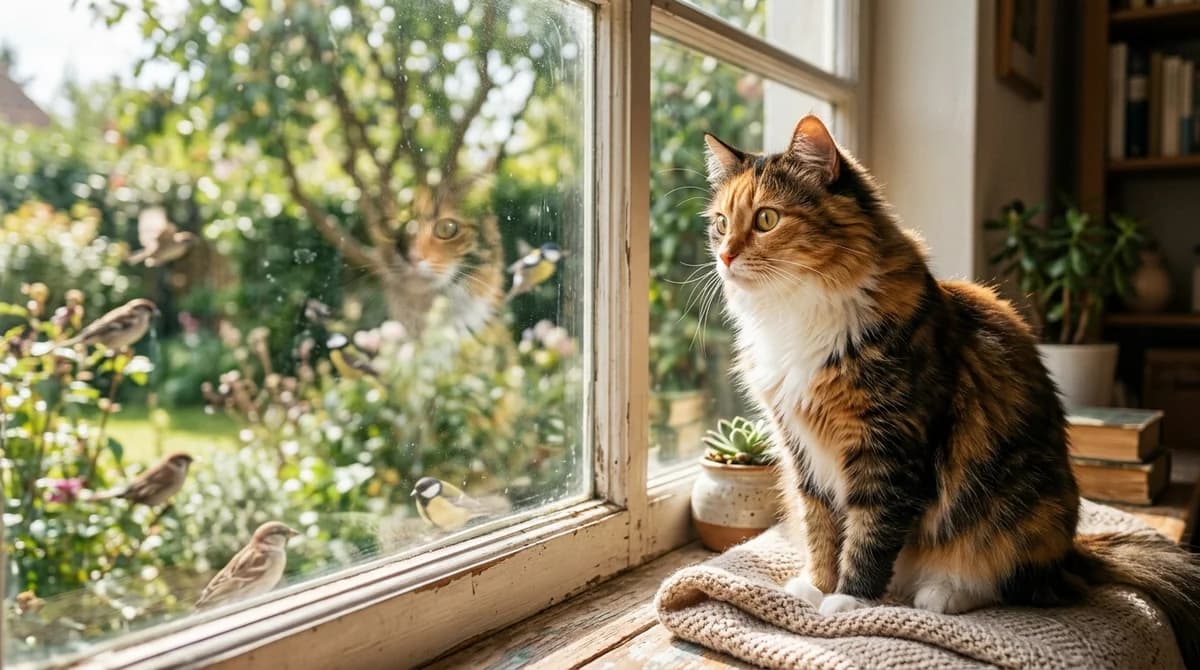
Cats possess extraordinary sensory capabilities that far exceed human perceptual ranges. Their acute hearing picks up high-frequency ultrasonic vibrations, their specialized eyes detect subtle movements in low light conditions, and their olfactory system processes intricate pheromonal signals.
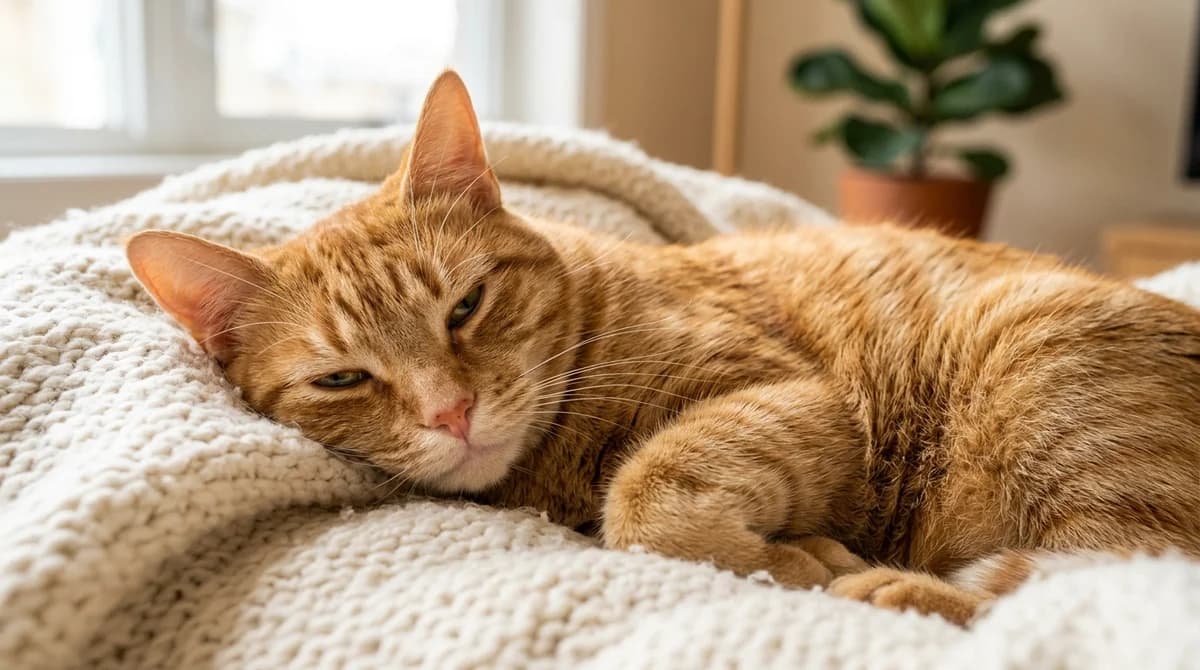
Research conducted by animal behaviorists at the University of Sussex demonstrated that cats are significantly more likely to approach a human who slow blinks at them compared to a human maintaining an unblinking gaze. In the feline world, unblinking eye contact is perceived as an aggressive threat or predatory challenge. By narrowing their eyes and closing them slowly, cats voluntarily lower their visual defenses, demonstrating to their companion that they feel completely secure and relaxed in their presence.
When your cat engages in this activity, they are often responding to subtle environmental or physiological cues that humans cannot perceive directly. Their body posture, facial expressions, and vocalizations reflect a complex interplay of nervous system signals, muscle reflexes, and emotional processing designed for safety and social equilibrium.
3. Communication and Social Bonding
While domestic cats are often mistakenly stereotyped as solitary animals, feline science demonstrates that they form rich, structured social relationships with human family members and cohabiting pets. Communication occurs primarily through subtle body language, scent exchange, and quiet vocalizations.
Understanding these non-verbal signals enables cat guardians to foster mutual trust. When your cat interacts with you in this specific manner, they are actively participating in social dialogue, establishing security, and reinforcing their connection to you as a trusted caregiver.
4. Environmental and Behavioral Cues
Cats monitor their physical environment with continuous vigilance. Small shifts in house layout, daily schedules, ambient noise, or scent profiles influence their comfort levels.
By observing the exact context surrounding this behavior—such as the time of day, room location, and your own activities—you can gain valuable insights into your cat's emotional state and immediate needs.
Comprehensive Analysis Across Life Stages
Kittens and Young Cats
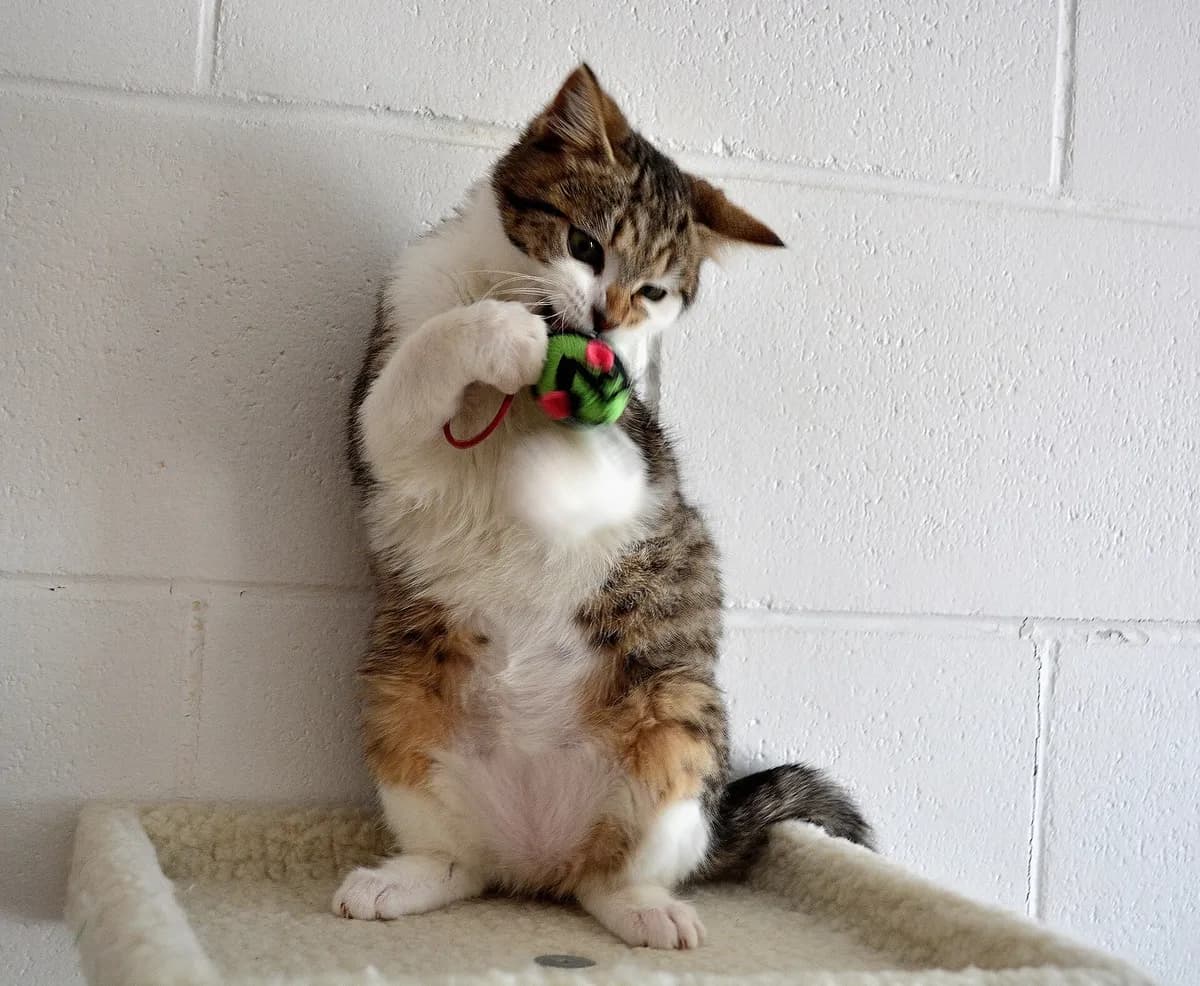
During early developmental stages, kittens use their surroundings to refine physical coordination, sensory boundaries, and social rules. Their reactions are typically characterized by higher energy, intense play drive, and rapid exploration of novel objects.
Adult Cats
In prime adult years, cats establish stable daily routines. Their behaviors reflect established territory maps, personal preferences for warmth and elevation, and clear communication patterns with human family members.
Senior Cats
As cats enter their senior years (ages 11 and older), physical agility and sensory sharpness naturally change. Senior cats rely even more heavily on environmental predictability, comfortable resting areas, and gentle, supportive interactions.
Practical Guidance: Step-by-Step Recommendations
Managing and supporting your cat's natural instincts in a home environment is straightforward when you follow structured, evidence-informed guidelines:
- Create a Dedicated Safe Space: Provide quiet, elevated perches and cozy resting nooks where your cat can observe room activity or nap without feeling cornered or disturbed.
- Maintain Consistent Daily Routines: Cats thrive on environmental predictability. Keep meal times, play sessions, and grooming schedules consistent to lower anxiety and build emotional confidence.
- Use Positive Reinforcement: Always reward desirable interactions with high-value treats, gentle verbal praise, or favored play. Never use physical discipline, shouting, or startling noises, which damage trust.
- Provide Appropriate Interactive Outlets: Offer sturdy scratching posts, rotating puzzle feeders, and engaging wand toys that satisfy your cat's natural physical and predatory drives.
- Respect Feline Boundaries: Learn your cat's body language thresholds. Allow your cat to initiate contact and step away whenever they indicate a desire for solitary space.
- Optimize Home Layout: Position essential resources—such as water bowls, feeding stations, and litter boxes—in quiet, low-traffic areas away from loud appliances.
- Monitor Environmental Triggers: Pay close attention to home changes like new furniture, visitors, or schedule shifts that may temporarily elevate feline stress.
Environmental Optimization and Home Setup
To ensure your cat feels completely secure in your living environment, audit your home layout through a feline lens. Cats prioritize vertical territory, clear sightlines across main living areas, and peaceful retreat zones.
Installing wall-mounted shelves, window perches, or tall scratching trees allows your cat to survey their territory from an elevated vantage point. Multi-cat households benefit significantly from resource distribution—ensuring multiple feeding stations and litter boxes across different rooms so cats never feel pressured or blocked by housemates.
What Not to Assume
It is easy to misinterpret feline actions through a human lens, leading to common misunderstandings:
[!NOTE] Avoid Human Misconceptions: Never assume your cat's actions are driven by spite, revenge, jealousy, or deliberate disruption.
Feline behavior is always motivated by natural instincts for safety, comfort, energy conservation, or social connection. Anthropomorphic assumptions can damage your relationship with your cat; framing their actions through feline science leads to compassionate, effective solutions.
Frequently Asked Questions
Is this behavior normal for cats of all breeds and ages?
Yes. While kittens and younger cats may display higher intensity due to energetic play drives, cats of all breeds and life stages engage in this behavior as a natural part of their routine.
How can I tell if my cat is stressed during this interaction?
Watch for subtle stress indicators such as flattened ears, a rapidly twitching tail tip, dilated pupils, rippling back skin, or sudden tense body posture. If you notice these signs, give your cat immediate space and lower ambient noise.
Should I encourage or discourage this habit?
If the behavior is safe and non-disruptive, encouraging it reinforces your social bond. If you need to redirect your cat away from counter edges or furniture, provide a compelling alternative—such as a cozy bed or scratching post—and reward them when they choose it.
How does this habit vary between indoor and outdoor cats?
Indoor cats often express this behavior with greater focus on human interactions and artificial enrichment, whereas outdoor cats divide their time between human contact and outdoor territorial patrolling.
When should I consult a certified behaviorist?
If a behavior becomes compulsive, causes self-injury, or creates ongoing severe conflict in a multi-pet household, work with a certified feline behavior consultant (IAABC) or veterinary behaviorist for tailored guidance.
Key Takeaway
Understanding your cat's unique behaviors allows you to appreciate the depth of feline intelligence and affection. By responding with patience, structured environmental support, and a safe home atmosphere, you foster a harmonious relationship built on mutual trust and lifelong companionship.