The short answer
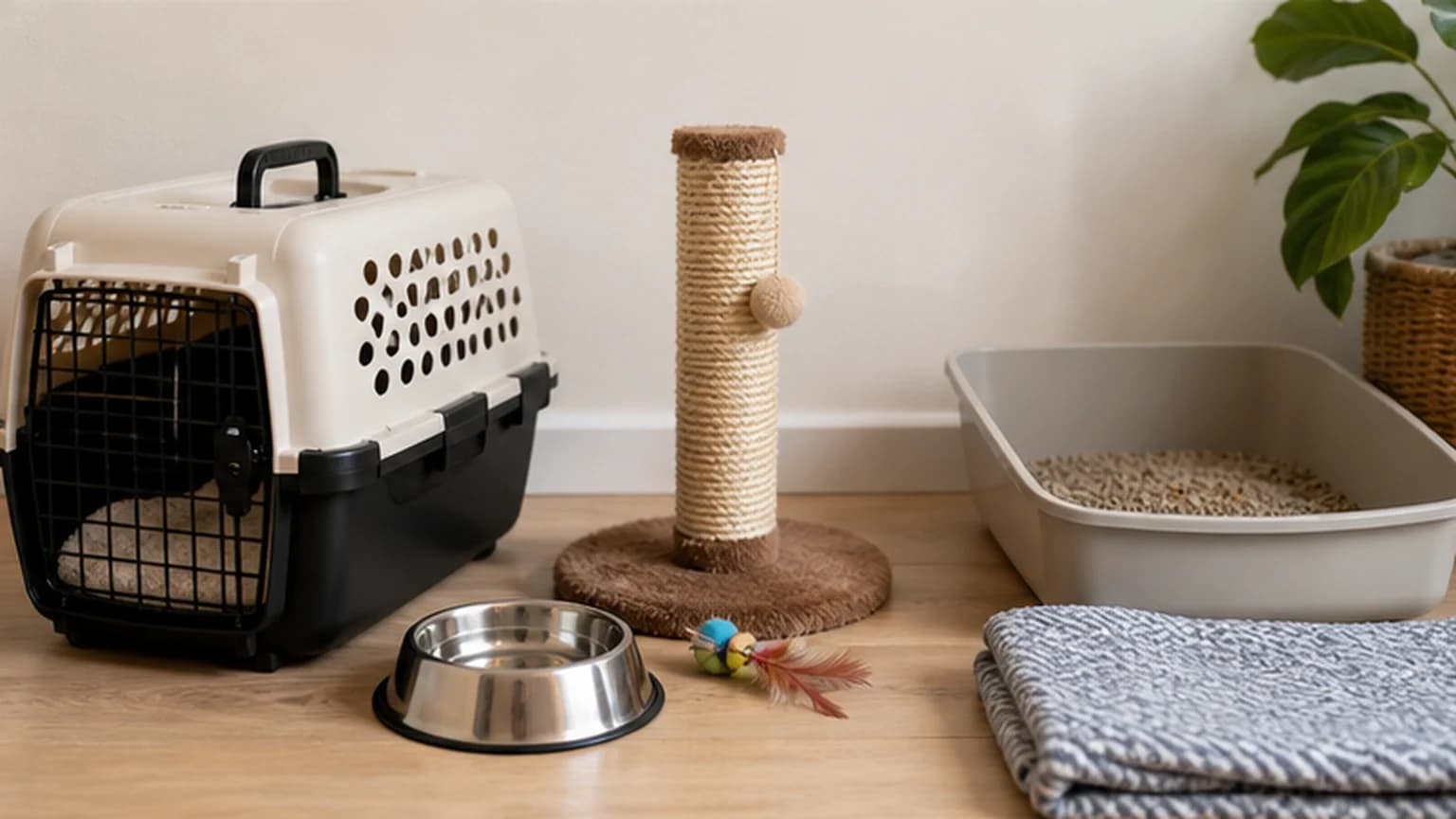
Before adoption, prepare food and water supplies, a litter setup, a secure carrier, a quiet safe room, scratching and play options, and a plan for veterinary care. Buy essentials first; add enrichment after you learn the kitten's preferences.
The goal is not to fill a cart. It is to make arrival safe and predictable. Ask the adoption organization what the kitten already eats, which litter and box they use, and what records or supplies come home with them before purchasing duplicates.
Essential, Useful, and Optional
| Priority | Examples |
|---|---|
| Essential before arrival | Secure carrier, complete kitten food, bowls, litter boxes, familiar litter, safe room, scratching surface, veterinary plan |
| Useful after preferences emerge | Additional scratcher styles, climbing furniture, puzzle feeders, fountain, grooming tools |
| Usually optional at first | Designer beds, large toy collections, automatic feeders, stroller, themed furniture |
Spend first on safety, fit, cleanability, and enough independent resources. Decorative upgrades can wait.
Essential first-day supplies
- Complete food appropriate for the kitten's life stage.
- Stable food and water bowls.
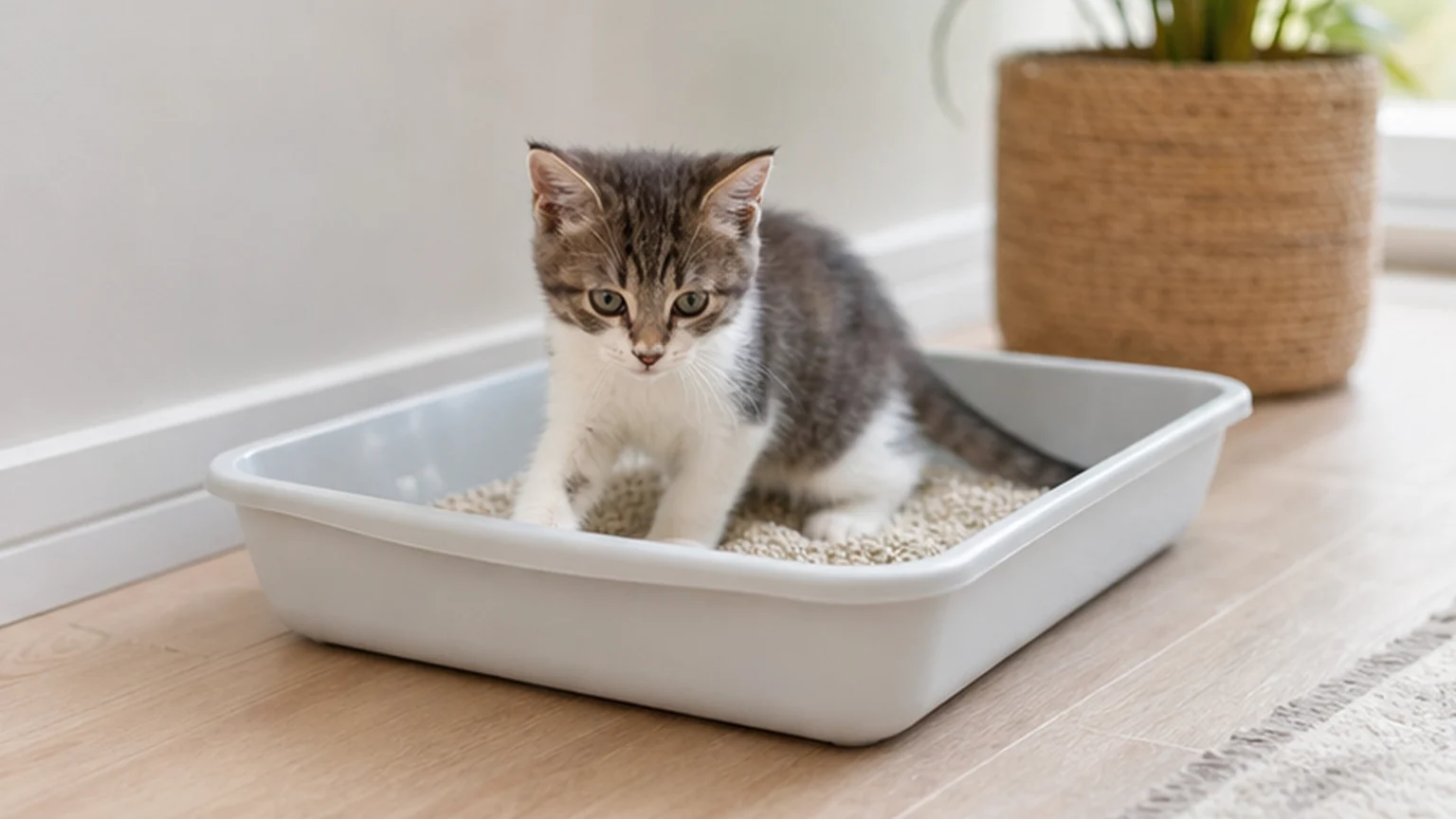
- A low-entry litter box and familiar or unscented litter.
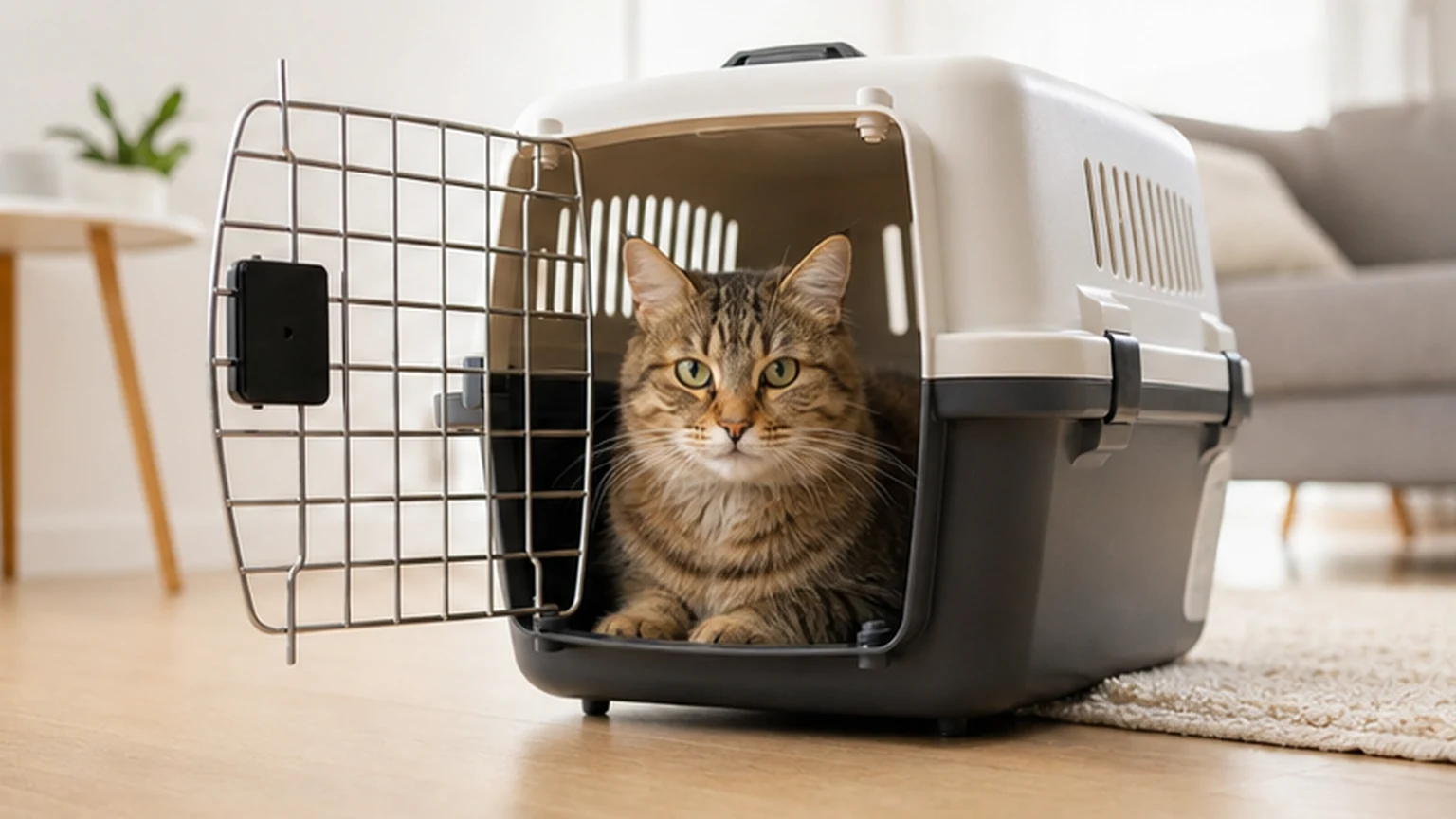
- A secure, ventilated carrier.
- Bedding and hiding space for a quiet safe room.
- A scratching surface and supervised toys without loose swallowable parts.
- Identification information and the adoption or medical records.
1. A Secure Carrier
Choose a carrier large enough for the kitten to stand, turn, and lie down, with room for growth. It should have reliable latches or zippers, ventilation on several sides, a stable base, and surfaces you can clean.
A removable top or wide door can make veterinary access easier. Buy one carrier per kitten rather than planning to transport two together. Add a non-slip absorbent liner and a spare.
Leave the carrier open in the safe room so it becomes familiar furniture. Inspect closures before every trip and never open it outdoors or beside an unsecured vehicle door.
2. Complete Kitten Food
Buy a modest supply of the exact food currently used, unless a veterinarian directs otherwise. The nutritional adequacy statement should show that the main food is complete and balanced for growth or all life stages.
Do not stock months of one recipe before knowing it is accepted and suitable. Keep food in its original package or retain the label, lot code, calorie information, and best-before date.
Use package feeding directions as starting guidance and review growth and body condition with a veterinarian. Do not add supplements, milk, raw products, or homemade recipes without professional guidance.
3. Food and Water Bowls
Stainless steel and intact food-safe ceramic are practical options. Choose wide, stable bowls that are easy to inspect and wash. Own enough for rotation while used bowls are cleaned.
Provide water in more than one quiet location as the kitten explores a larger home. A fountain is optional and should not replace a bowl. Keep food, water, and litter appropriately separated.
4. Litter Boxes and Litter
Begin with a low-entry, stable box and familiar, unscented, low-dust litter. A common household starting point is one box per cat plus one extra, distributed across locations. A kitten confined to a starter room needs a box immediately visible and accessible.
Avoid buying only a tiny box that will be outgrown quickly. A larger box with a safely lowered entrance may offer better value. Add a scoop, waste bags, washable mat if useful, and cleaning supplies appropriate for the floor.
Do not change litter type and box design on arrival without need. Familiarity makes normal use easier to assess.
5. Scratching Surfaces
Buy at least one stable vertical post tall enough for stretching and one horizontal pad. Kittens develop preferences for angle and material, so a single short wobbling post is not a fair test.
Place scratchers near sleeping spots, room entrances, and furniture targets. Reward voluntary use and never drag paws across the surface.
6. Safe Toys
Choose lightweight toys for batting, a wand toy for supervised interactive play, and a durable kicker toy. Inspect seams and remove toys with loose feathers, bells, stuffing, string, or small pieces.
Store wand and string-like toys after use. Hands, feet, and fingers under blankets should not become prey. Several short play sessions are more useful than an overflowing toy basket.
Food puzzles can wait until the kitten eats reliably and you know the food and portion. Use part of the measured allowance rather than adding untracked calories.
7. Bedding and Hiding Places
A washable blanket, open carrier, and clean cardboard box may be all the kitten needs initially. Offer a covered retreat and an open resting spot. Expensive beds can wait until texture and location preferences are known.
Ensure hiding places have a safe exit and are not inside recliners, behind appliances, near cords, or in wall gaps. Block hazardous spaces before arrival.
8. Identification and Records
Obtain a breakaway collar and tag if appropriate for the household, but do not rely on a collar alone. Confirm microchip status and update the registry contact information promptly.
Keep vaccination, parasite, spay/neuter, microchip, medication, diet, and adoption records together. Save a clear recent photo and the routine and emergency veterinary contacts.
9. Cleaning and Grooming Basics
Prepare an enzyme cleaner appropriate for household surfaces, paper towels, spare bedding, litter scoop, waste bags, food-storage tools, and a brush suited to the coat.
Nail trimmers can be useful, but ask a veterinary professional to demonstrate safe trimming. Do not restrain a frightened kitten to complete every claw.
Avoid essential-oil cleaning or fragrance products around the kitten. Store all chemicals securely and keep the kitten away until cleaned surfaces are safe and dry.
Before the kitten arrives
Set up one quiet room, secure cords and small objects, close windows and unsafe gaps, and decide which household foods and plants must be kept inaccessible. Book a veterinary visit and bring the kitten's records.
Kitten-Proofing Shopping List
Depending on the home, you may need:
- cord covers and secure cable routing;
- childproof cabinet latches;
- secure window screens or purpose-made barriers;
- closed storage for medication, chemicals, string, and small objects;
- bins with secure lids;
- door or appliance reminders for household members;
- non-slip mats on slick routes; and
- safe barriers around balconies, fireplaces, or hazardous rooms.
Remove lilies and identify every plant before allowing access. Check recliners, sofa beds, washers, dryers, dishwashers, ovens, vents, and gaps every time they are opened or used.
Veterinary and Budget Planning
Identify a routine clinic and after-hours service. Ask the adoption organization when the first visit is recommended and what care has already been completed. Arrange transport and payment before an urgent need.
Budget beyond shopping: recurring food and litter, preventive care, identification, spay/neuter if not included, dental care, insurance or emergency savings, pet sitting, and unexpected treatment.
Do not buy parasite products, medication, supplements, or therapeutic food in advance without veterinary direction. Products safe for another pet may be inappropriate for a kitten.
What Can Wait?
Wait on large climbing systems until you know available space and the kitten's confidence. Automatic feeders, fountains, self-cleaning litter boxes, and cameras are conveniences, not substitutes for daily care.
Buy fewer toys and rotate them. Use clean cardboard boxes for supervised enrichment. Keep receipts for items whose fit or acceptance is uncertain.
Common Shopping Mistakes
- Buying food and litter without asking what is familiar.
- Choosing a carrier by weight limit only.
- Providing one tiny litter tray that is quickly outgrown.
- Buying one unstable scratcher.
- Leaving string and feather toys available unsupervised.
- Stocking supplements or medication “just in case.”
- Spending on décor before securing windows, cords, plants, and gaps.
- Assuming two kittens can share one carrier and litter box.
Ask a veterinarian promptly about poor appetite, repeated vomiting or diarrhea, breathing difficulty, weakness, or failure to gain appropriately. Do not start supplements or a special diet without guidance.
Frequently Asked Questions
How much should I buy before adoption?
Buy core supplies and a modest amount of familiar consumables. Add or replace items after learning the kitten's size, preferences, and veterinary needs.
Does a kitten need a special bed?
No. A washable blanket, open carrier, and safe box can provide comfortable options. Safety and location matter more than price.
Can two kittens share supplies?
They can share some toys and furniture, but need individual carriers and enough distributed food, water, litter, hiding, resting, and scratching resources.
Should I buy kitten milk?
Weaned kittens eating complete growth food generally do not need cow's milk or casual milk supplements. An orphaned or unweaned kitten needs urgent expert guidance and an appropriate kitten milk replacer.
Key Takeaway
Before adopting a kitten, buy the functional essentials: secure transport, complete familiar food, washable bowls, accessible litter boxes and litter, scratching, supervised play, safe hiding, identification, and a prepared room. Spend on home safety and veterinary planning before optional technology or décor, then let the kitten's real preferences guide later purchases.
Use the new cat owner checklist, first 24 hours guide, and carrier guide.
Compare your cat's age with human years
Use the age calculator for a life-stage comparison, then tailor care to your individual cat.