The short answer
A common starting point is one litter box per cat plus one extra, but layout and individual preference matter. Boxes should be easy to reach, kept clean, and placed in separate quiet locations when possible.
That means two boxes for one cat, three for two cats, and so on as an initial planning rule. It is not a guarantee: some homes need more because of multiple floors, conflict, mobility, box preferences, or frequent soiling.
Starting Box Numbers
| Cats | Common starting number |
|---|---|
| 1 | 2 boxes |
| 2 | 3 boxes |
| 3 | 4 boxes |
| 4 | 5 boxes |
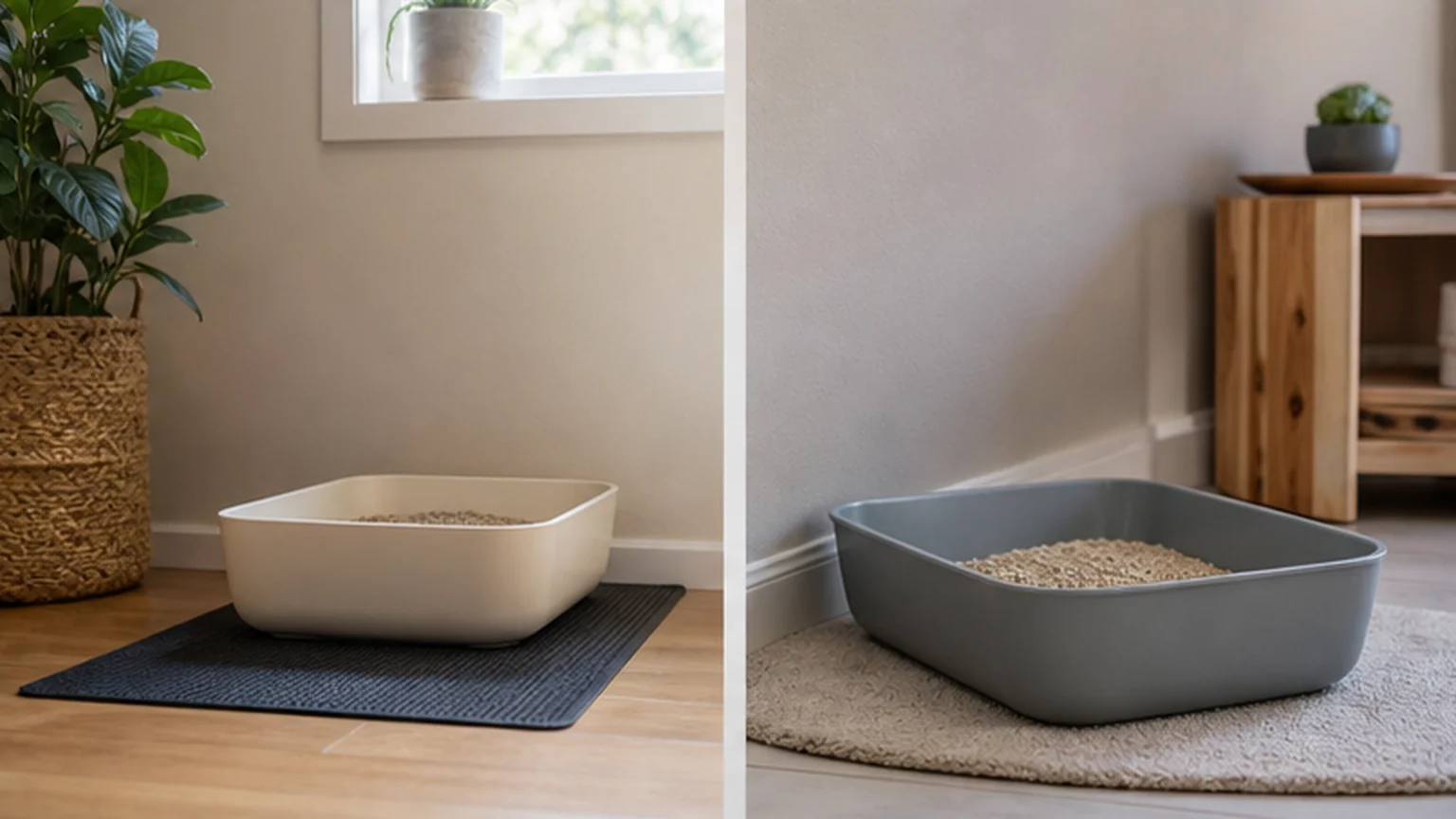
Count locations, not just containers. Three boxes lined up in one room can all become inaccessible if a door closes or one cat guards that room.
Make the setup work
Use boxes large enough for the cat to turn around, avoid trapping a cat in a corner, and keep boxes away from food and noisy appliances. Scoop regularly and give each cat a route to a box that another cat cannot easily block.
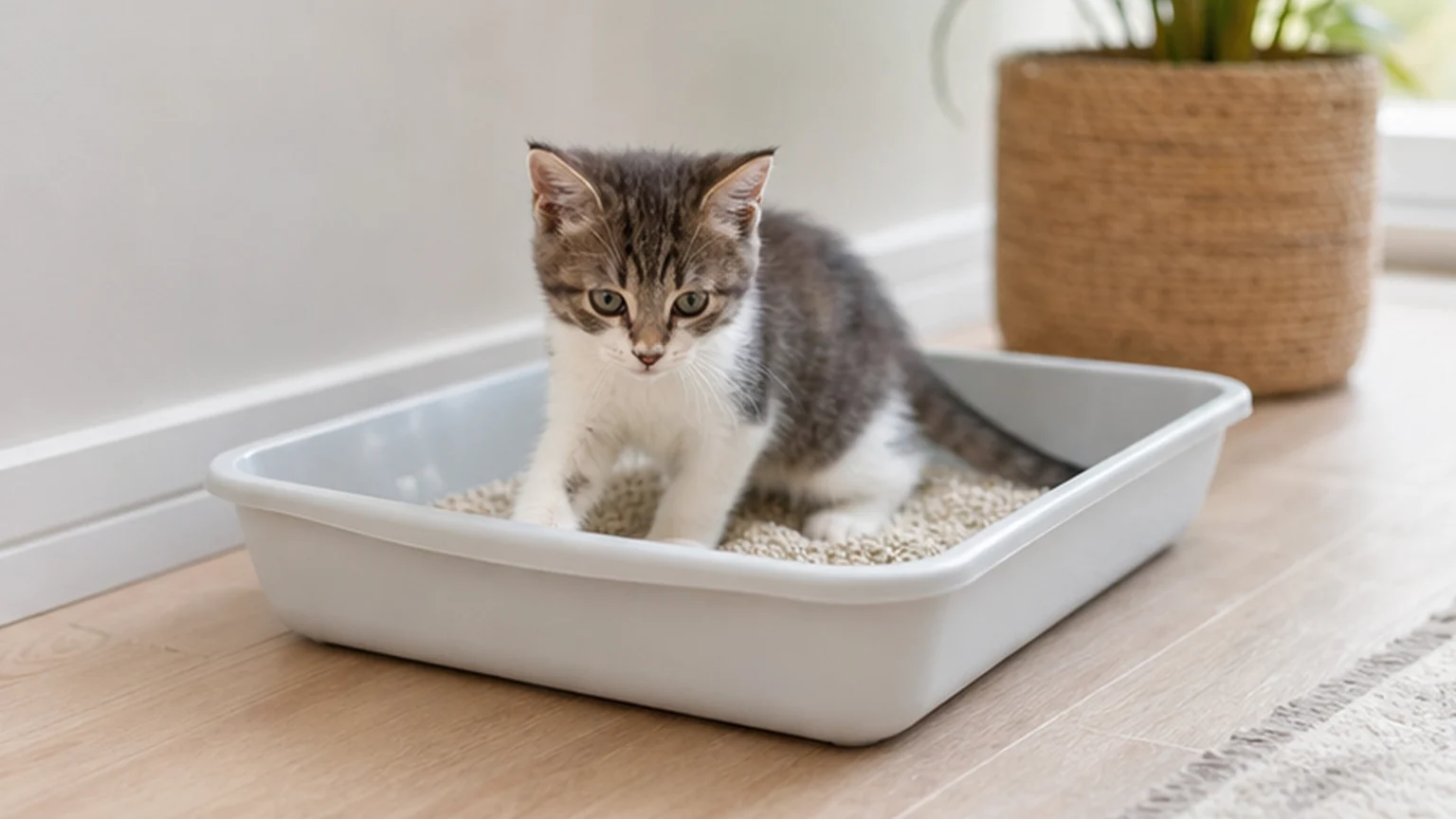
For kittens, use a low entry and place a box near the areas they spend time in. As they grow, reassess box size and access.
Location Is as Important as Number
Choose quiet, low-traffic places that are still easy to reach. Avoid loud washers, dryers, furnaces, or appliances that can start suddenly. Do not place the only box behind a door that may close or in a room the cat cannot always enter.
Provide a clear approach and more than one escape direction where possible. A box at the end of a narrow closet can become a trap if another cat waits outside.
In multi-level homes, provide a box on every floor the cat uses. Asking an older cat, kitten, or cat with limited mobility to manage stairs for every elimination trip can create avoidable difficulty.
Keep boxes away from food and water. Cats benefit from separated resources, and litter debris should not contaminate eating areas.
Choose an Appropriate Box
The box should be large enough for the cat to enter, turn, dig, and posture without pressing against every wall. Many commercial boxes are small for adult cats. A large, smooth-sided storage box can work when safely modified and easy to clean.
Entry height should match mobility. Kittens and cats with stiffness, weakness, or injury may need a low entrance while still benefiting from higher sides elsewhere to contain litter. Avoid sharp cut edges on modified boxes.
Covered boxes provide privacy and contain scatter, but some cats dislike enclosed odor, limited visibility, or a single exit. Offer an open alternative before concluding that a cover is preferred. Self-cleaning boxes also require acclimation, manual checks, and a non-powered backup.
Litter, Depth, and Preference
An unscented, low-dust litter with a comfortable texture is a practical starting point. Use the product's recommended depth and observe digging. Too little may not absorb or allow covering; too much can feel unstable and increase tracking.
Do not abruptly switch litter type in every box. Change one box or mix gradually so the familiar option remains. If the cat avoids the new setup, consider litter texture, fragrance, depth, box shape, cleanliness, and location separately.
Cleaning Routine
Scoop urine and stool at least daily and more often in busy boxes. Add fresh litter as needed, and wash boxes on a routine appropriate for the product and household.
Use cleaning methods that leave no strong residue, rinse thoroughly, and dry before refilling. Replace boxes with deep scratches, cracks, odor retention, or unstable sides.
A box being present does not mean it is usable. A heavily soiled box may be functionally unavailable, reducing the household below the planned number.
Multi-Cat Access and Quiet Conflict
Cats do not have to fight openly for litter access to be a problem. Watch for staring, following, chasing after elimination, guarding hallways, or one cat waiting until another leaves.
Distribute boxes across independent areas so one cat cannot monitor all of them. Several boxes in one room do not offer meaningful separation. Provide other distributed resources too, including food, water, resting places, scratching, and elevated areas.
If conflict persists, begin with a veterinary assessment for each cat and seek a qualified feline behavior professional. Do not force cats to share a small toileting area.
One Cat in a Small Home
Space constraints do not make access less important. Two thoughtfully placed boxes can fit under furniture designed for easy entry, in a quiet bathroom, or in separate room corners. Do not sacrifice ventilation, cleaning access, or the cat's escape route simply to hide a box.
If only one box can fit temporarily, scoop very frequently, maintain uninterrupted access, and look for a second location. A compact home makes cleanliness and placement more—not less—important.
Kittens and New Cats
Begin a newly arrived cat in a manageable starter room with a clearly visible box. As access expands, add boxes along predictable routes. A kitten may not cross a whole home in time, especially after waking or play.
Use the familiar litter and box style when possible. Move boxes gradually after the cat has settled rather than changing location suddenly.
Senior Cats and Mobility Changes
Older cats may benefit from more boxes, lower entries, non-slip approaches, and locations closer to resting areas. Do not assume a cat will continue navigating stairs or high sides comfortably.
A new preference for toileting beside the box may reflect access difficulty or illness, not stubbornness. Arrange veterinary assessment and offer an easier box while the cause is evaluated.
Moving a Litter Box
If the current location must change, add a new box at the destination before removing the old one. Once the new box is used reliably, move or remove the original gradually.
Avoid relocating every box during a renovation or household change. Maintain at least one familiar, accessible option and protect routes from noise and workers.
Common Setup Mistakes
- Counting several side-by-side boxes as independent locations.
- Hiding every box in a basement or laundry room.
- Choosing boxes that are too small or hard to enter.
- Waiting too long between scooping.
- Using fragrance to compensate for cleaning.
- Changing litter and box style everywhere at once.
- Letting another pet block the approach.
- Punishing elimination outside the box.
- Assuming every accident is behavioral.
New or persistent urination, straining, crying, blood, constipation, or avoiding the box can signal a medical problem. Contact a veterinarian rather than assuming the issue is behavioral.
Repeated attempts to urinate with little or no output can be an emergency. Seek prompt care, particularly with pain, vocalization, vomiting, weakness, or collapse. Do not wait for a new box or litter to fix possible obstruction.
Frequently Asked Questions
Does one cat really need two boxes?
Two is a useful starting point because it provides choice and backup. Layout, cleaning, and individual preference determine whether more or fewer work, but a single box offers no redundancy.
Can two cats share one box?
They may use it, but one box cannot provide reliable access, cleanliness, or separation. Start with three distributed boxes for two cats and adjust from observation.
Do self-cleaning boxes reduce the number needed?
No. They may improve waste removal when working correctly, but access, preference, location, noise, power, and failure still matter. Keep a standard backup box.
Why does my cat use only one of several boxes?
That location, box, or litter may be preferred. Keep alternatives available while comparing size, cover, substrate, depth, cleanliness, access, and social pressure.
Key Takeaway
Use one box per cat plus one extra as a starting calculation, then distribute boxes across quiet, accessible locations. Size, entry, litter, cleanliness, floor level, and freedom from guarding determine whether each box truly counts. Add access when the household or cat's mobility changes, and treat new elimination problems as potential health concerns first.
See best litter for kittens and the new cat owner checklist.